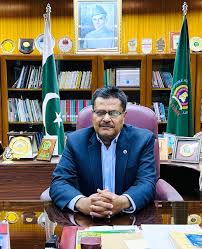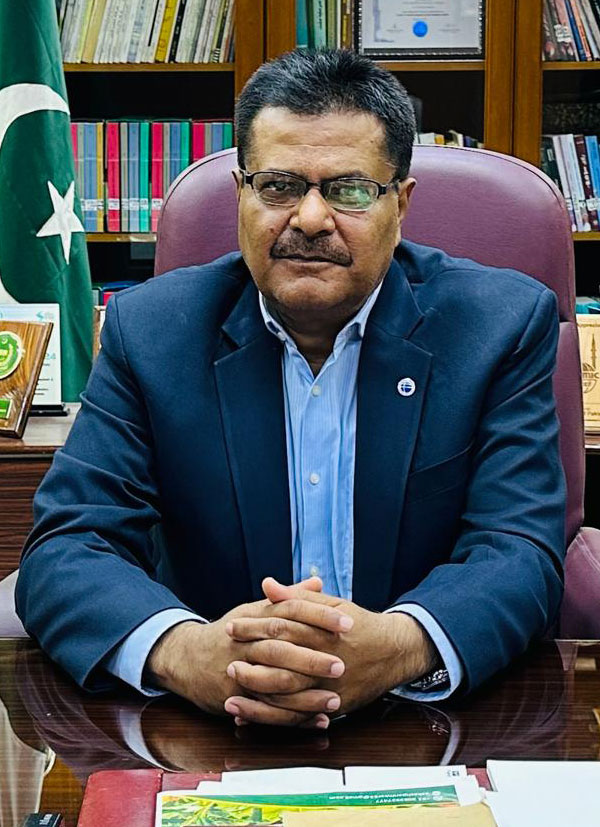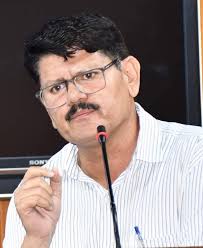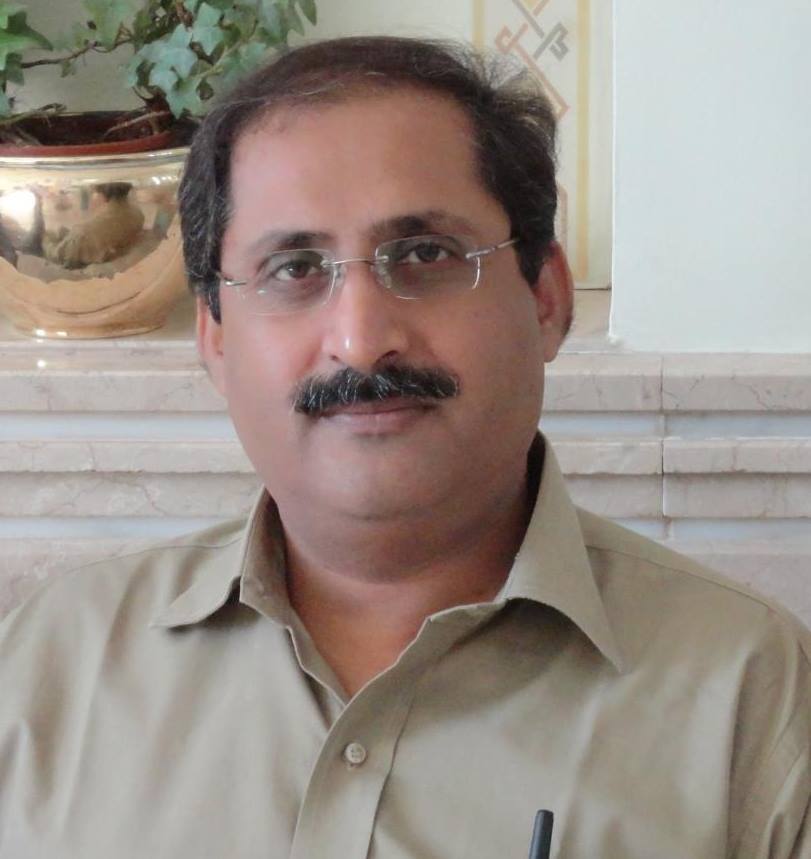

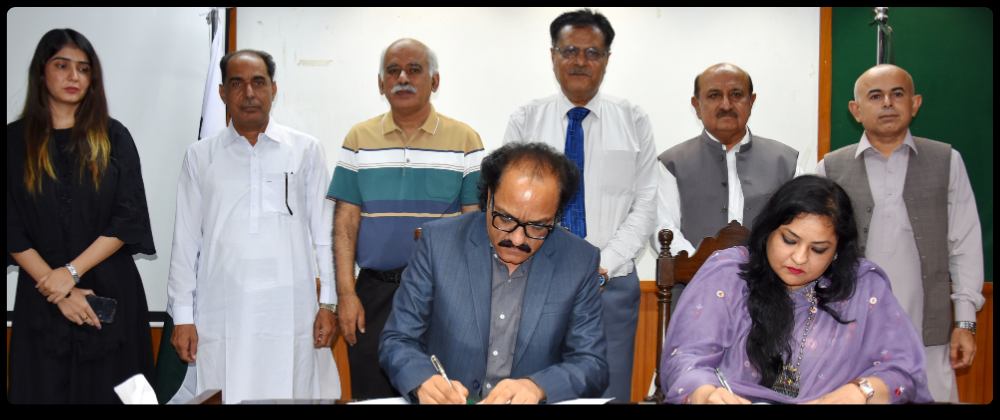
Sindh Agriculture University (SAU), Tandojam, has signed a five-year MoU with Hyderabad-based Santorai Enterprises to develop value-added products from mangoes, bananas, and other agricultural produce and explore domestic and international markets. Dr. Aasia Akbar Panhwar signed the agreement for SAU, and Aakash Santorai for the company. SAU's Institute of Food Sciences and Technology will provide technical support in food processing, preservation, quality testing, packaging, and product development. Vice Chancellor Engr. Prof. Dr. Altaf Ali Siyal said the partnership would help reduce post-harvest losses, improve product value, and create entrepreneurial opportunities for farmers and graduates.
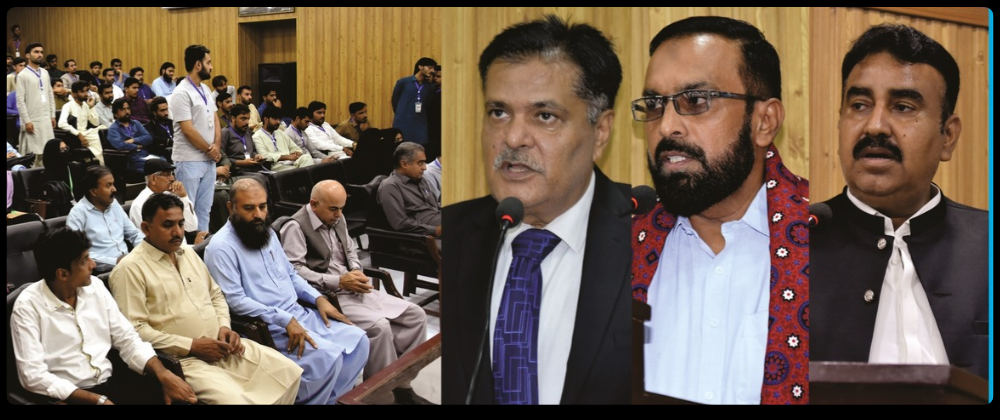
Sindh Agriculture University (SAU), Tandojam, plans to introduce drone technology training in collaboration with Al-Karam Group to equip graduates with practical skills in precision agriculture and digital farming. Vice Chancellor Engr. Prof. Dr. Altaf Ali Siyal also announced plans for tractor and drone training for female students. The announcement came during a two-day workshop on tractor operation and maintenance organized by the Faculty of Agricultural Engineering and Technology. Vice Chancellor Dr. Siyal stressed that modern technology and practical skills are essential for agricultural development and better career opportunities. Faculty members and technical experts provided hands-on training in tractor operation, machinery maintenance, engine mechanics and safety practices. Participants received certificates at the concluding ceremony.
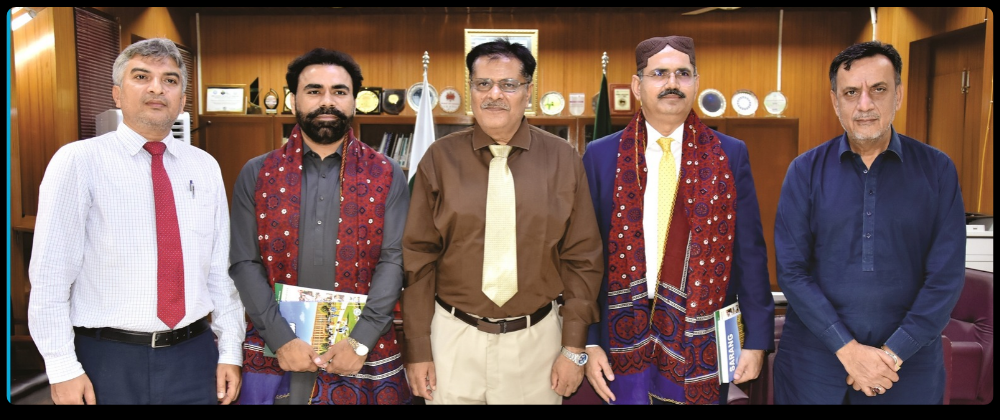
Sindh Agriculture University (SAU), Tandojam, and the State Bank of Pakistan (SBP) discussed collaboration on scholarships, paid internships, employment, startups, agricultural financing, and financial literacy for rural communities. The meeting between Vice Chancellor Engr. Prof. Dr. Altaf Ali Siyal and an SBP Banking Services Corporation delegation led by Chief Manager Muhammad Ismail Channar focused on expanding opportunities for students and supporting farmers through research and financial services. Dr. Siyal emphasized stronger university-bank partnerships to promote student career development, entrepreneurship, and financial support for deserving students.
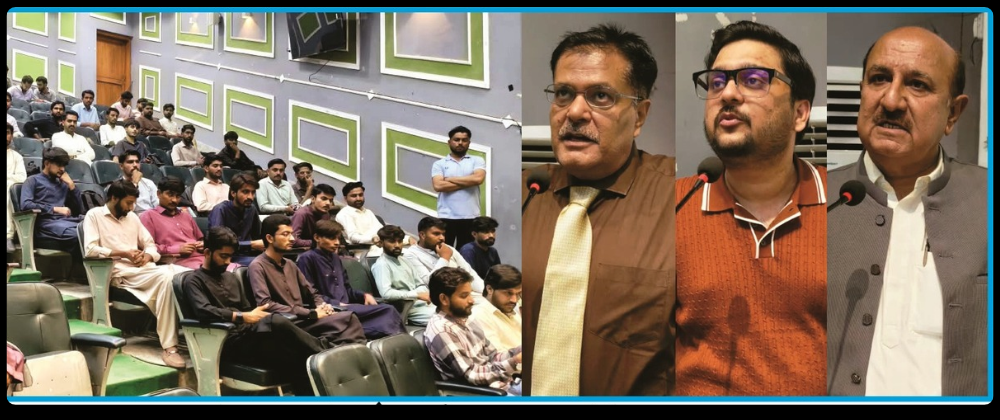
Sindh Agriculture University (SAU), Tandojam, has launched week-long activities to mark Kashmir Black Day and express solidarity with the Kashmiri people. An awareness seminar organized by the Student-Teacher Engagement Program (STEP) highlighted Kashmir’s history, fundamental rights, and the role of youth in raising awareness. Vice Chancellor Engr. Prof. Dr. Altaf Ali Siyal urged students to promote awareness, protect national interests, and contribute to development. Keynote speaker Aamir Sabzwari, CEO of Youth Leadership School, Karachi, emphasized the role of youth in highlighting the rights and struggles of Kashmiris internationally. STEP Chairman Prof. Dr. Muhammad Ismail Kumbhar highlighted the importance of educational institutions in promoting awareness about Kashmir and the right to self-determination. The week-long program includes speech and quiz competitions, seminars, student-teacher discussions, and a central commemorative ceremony.

Sindh Strengthens International Collaboration at Sindh Investment Conference in Shanghai SHANGHAI (October 15, 2026): Sindh Chief Minister Syed Murad Ali Shah witnessed the signing of significant partnership agreements during the Sindh Investment Conference in Shanghai, China, marking an important step toward strengthening international cooperation, promoting investment, and advancing sustainable industrial and economic development in Sindh.
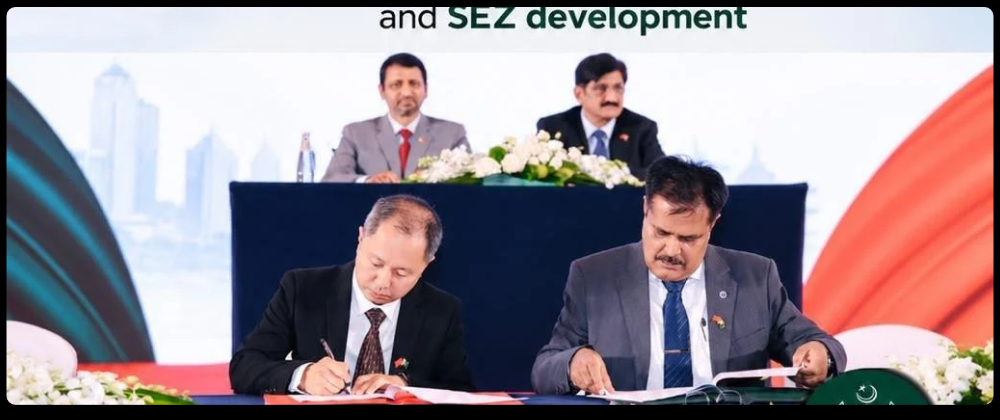
Sindh Strengthens International Collaboration at Sindh Investment Conference in Shanghai SHANGHAI (October 15, 2026): Sindh Chief Minister Syed Murad Ali Shah witnessed the signing of significant partnership agreements during the Sindh Investment Conference in Shanghai, China, marking an important step toward strengthening international cooperation, promoting investment, and advancing sustainable industrial and economic development in Sindh.
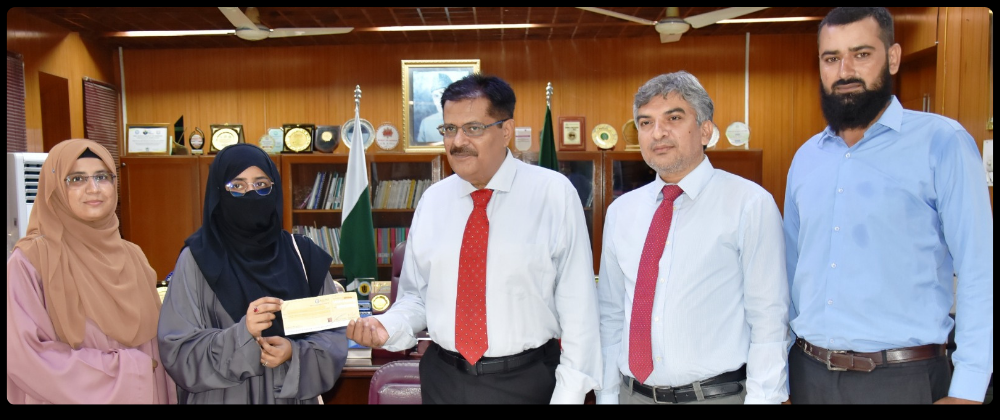
SAU Visiting Faculty Member Wins Second Position in National Writing Competition. Ms. Zainab Shar, a visiting faculty member at Sindh Agriculture University (SAU), Tandojam, secured second position in a national creative writing competition organized by Piffers Security Services under the supervision of the Directorate of UA&FA. Vice Chancellor Engr. Prof. Dr. Altaf Ali Siyal congratulated her and presented a cash award cheque. He highlighted the importance of creative competitions in promoting writing skills, talent and institutional recognition. Dr. Ghulam Hussain Wagan, Director UA&FA, and Ms. Shumaila Ahmed Lochi were also present.
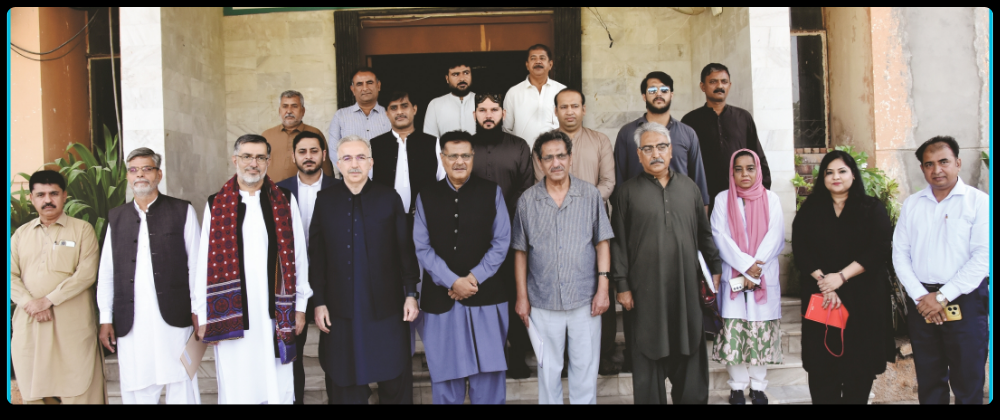
Sindh Agriculture University (SAU) and the Trade Development Authority of Pakistan (TDAP) have agreed to strengthen industry partnerships to improve mango quality, processing and exports in Sindh. TDAP Secretary Shahryar Taj met Vice Chancellor Engr. Prof. Dr. Altaf Ali Siyal to discuss research commercialization and international market opportunities. SAU is implementing three Export Development Fund-supported projects: the Mango Disease Diagnostic and Research Centre, Clean Mango Nursery and Mango Drying Unit. Dr Siyal stressed collaboration with industry to meet international standards and reduce post-harvest losses. Shahryar Taj appreciated SAU’s research and highlighted the need to connect farmers, processors and exporters. SAU also proposed an agricultural expo with TDAP next year to showcase research, innovative technologies and value-added products.